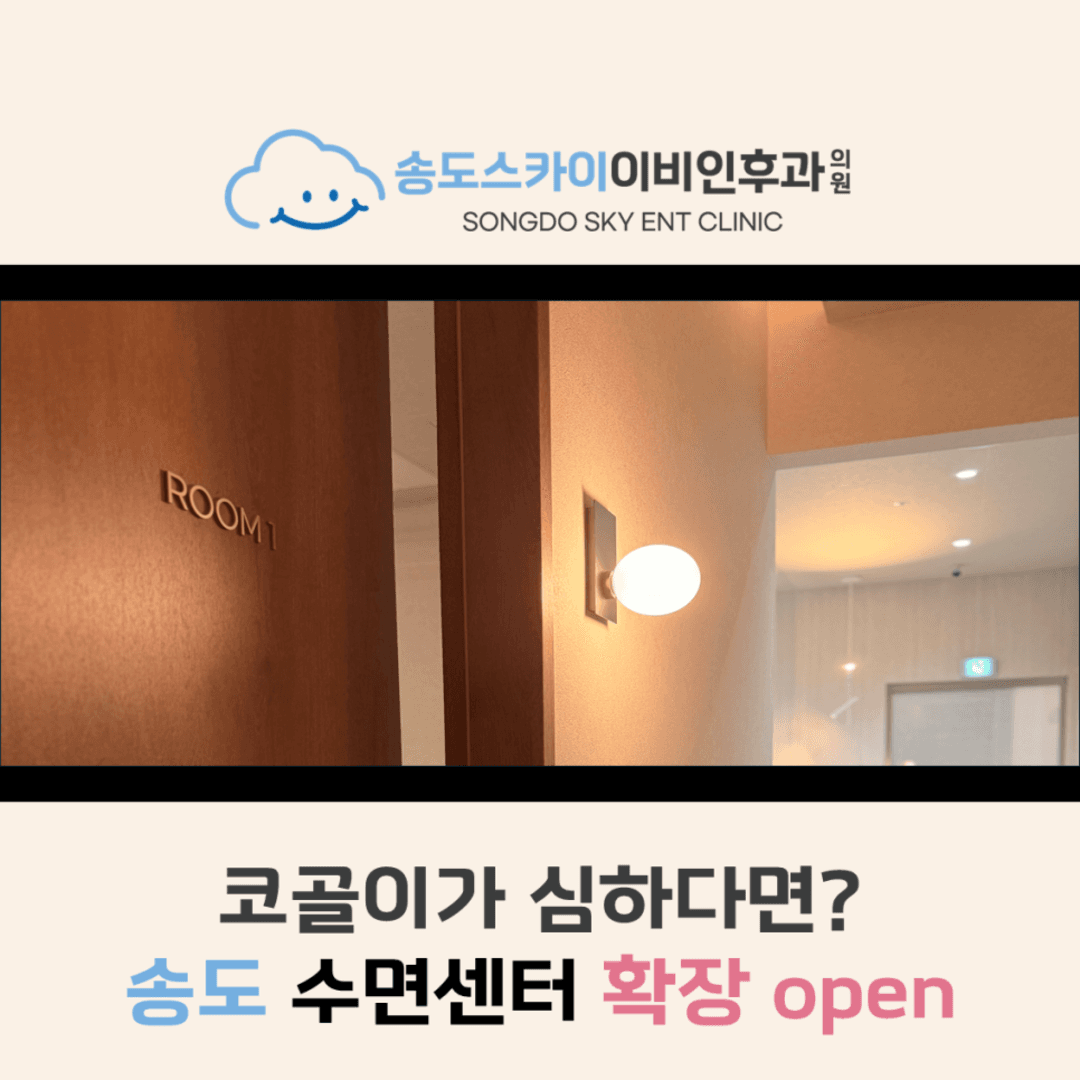
Songdo Sky ENT Sleep Center Slept enough, but still tired?

Snoring and sleep apnea can lower the quality of your sleep. In a sleep-only space separate from the main clinic, we check the cause with polysomnography (a sleep study).

Polysomnography

Is snoring just a habit, or is it sleep apnea?

Snoring does not always lead to sleep apnea, but the two can occur together, so we tell them apart with testing.

Snoring is a vibrating sound made when the airway (upper airway) narrows during sleep, while sleep apnea is a condition in which breathing stops or weakens for a period of time. If your family says your snoring is heavy, or you do not feel refreshed even after sleeping, we recommend checking the cause.

Features of the Sky ENT Sleep Center

  • A space just for sleep

    A separate space just for sleep studies is set up in Unit 308 on the 3rd floor, apart from the main clinic (2F).

  • All private rooms

    All test rooms are private, single-occupancy rooms.

  • Hotel-style bedding and atmosphere

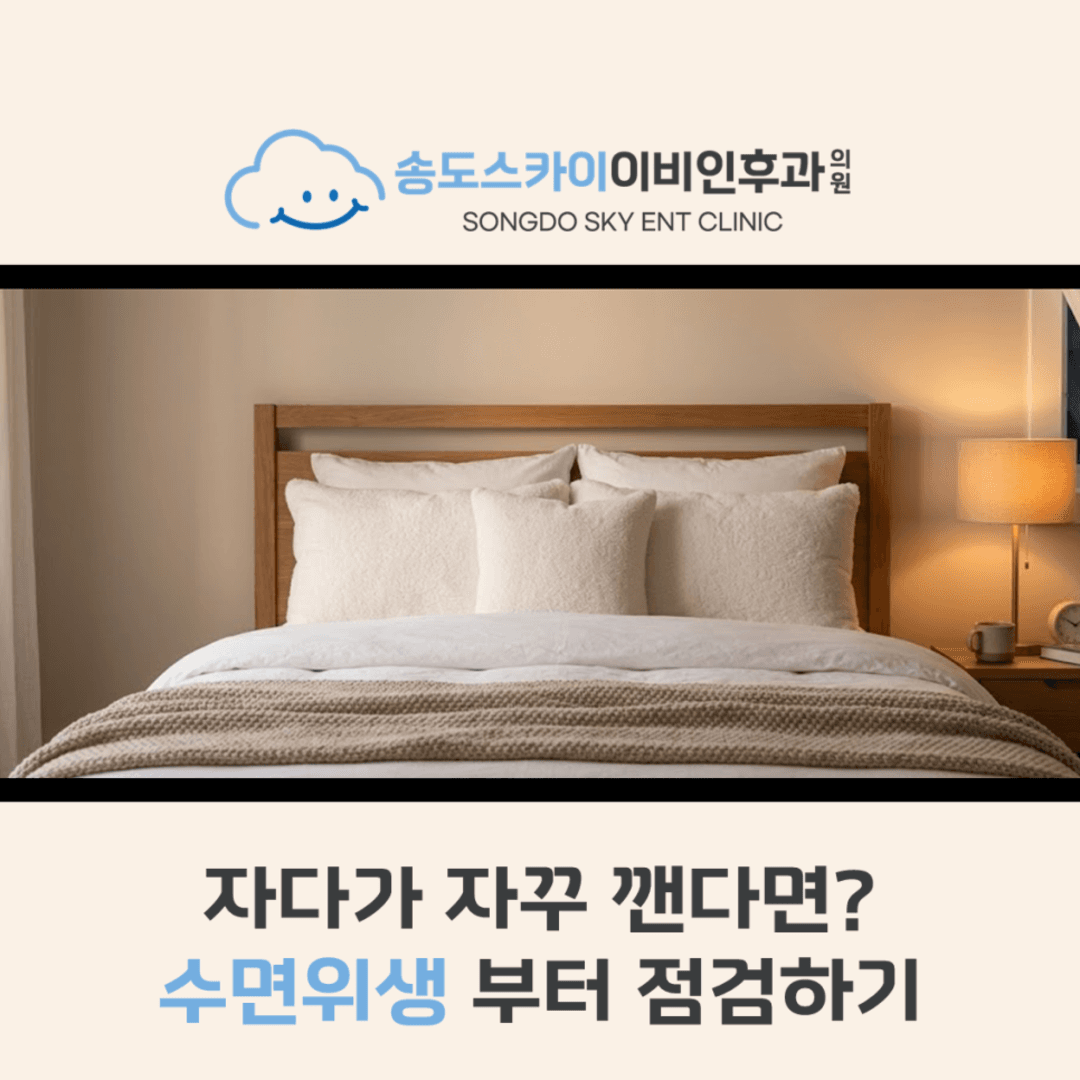
    We have prepared hotel-style bedding and soft lighting to help you sleep comfortably.

  • Sink, shower and toilet in every room

    Each test room has its own sink and a combined shower room and toilet.

  • Wireless polysomnography device

    Testing uses a wireless recorder worn on the body (Nox A1s), which reduces the discomfort of being tied down by wires.

If this sounds like you, it is worth having it checked

  • You do not feel refreshed even after sleeping
  • You wake up often during sleep, or have been told your breathing stops
  • Your family says you snore heavily
  • You keep feeling sleepy during the day

If two or more apply, we look for the cause with a sleep study.

National Health Insurance may apply

Covered by National Health Insurance when the coverage criteria are met. We will explain the criteria and your out-of-pocket cost after your consultation.

Sleep care in 4 steps Diagnosis → Testing → Consultation → Treatment

We measure the quality of your sleep objectively and guide you on a tailored treatment plan based on the results.

  1. Step 1

    Diagnosis

    Questions about your symptoms and sleep habits

  2. Step 2

    Testing

    Polysomnography measures body signals during sleep

  3. Step 3

    Consultation

    We interpret the test results and explain the cause

  4. Step 4

    Treatment

    Guidance on a treatment plan tailored to you
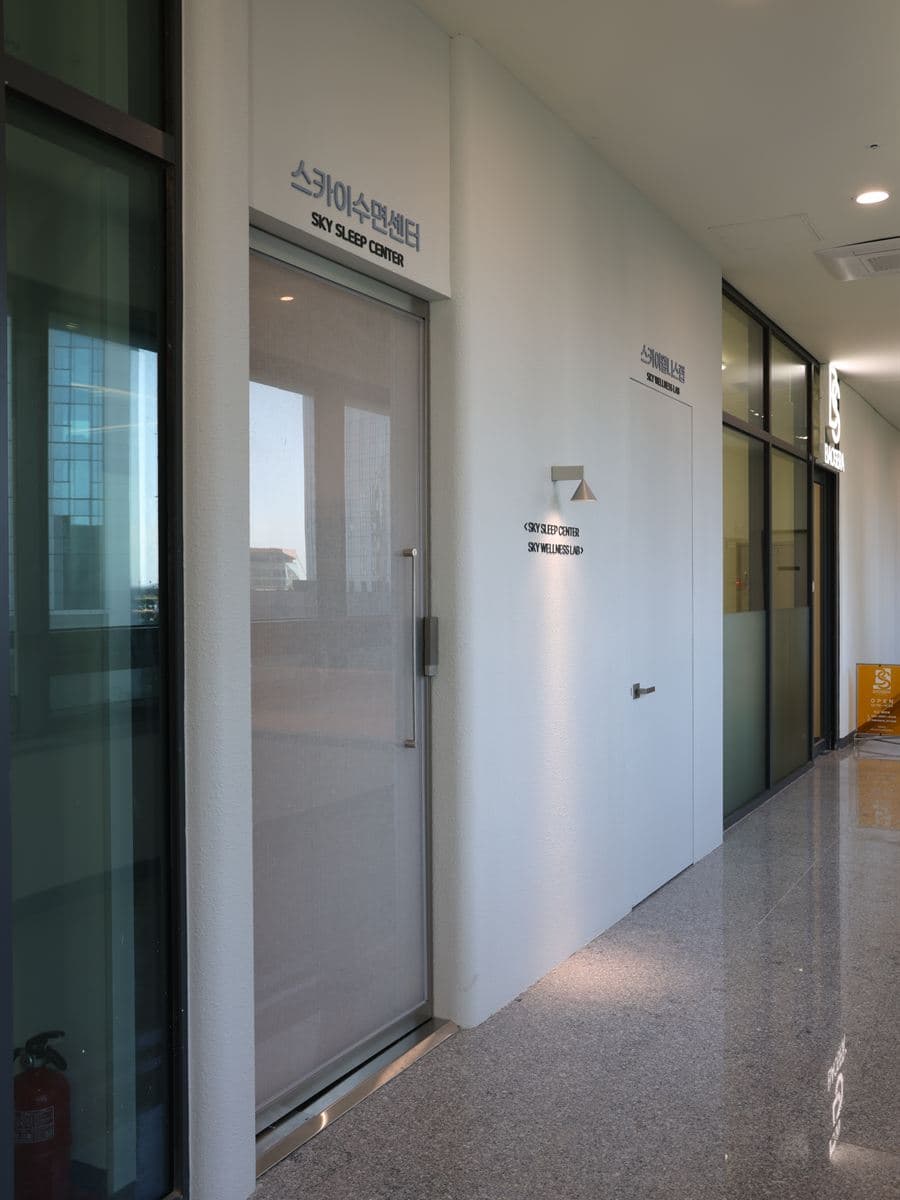
Sleep Center Tour

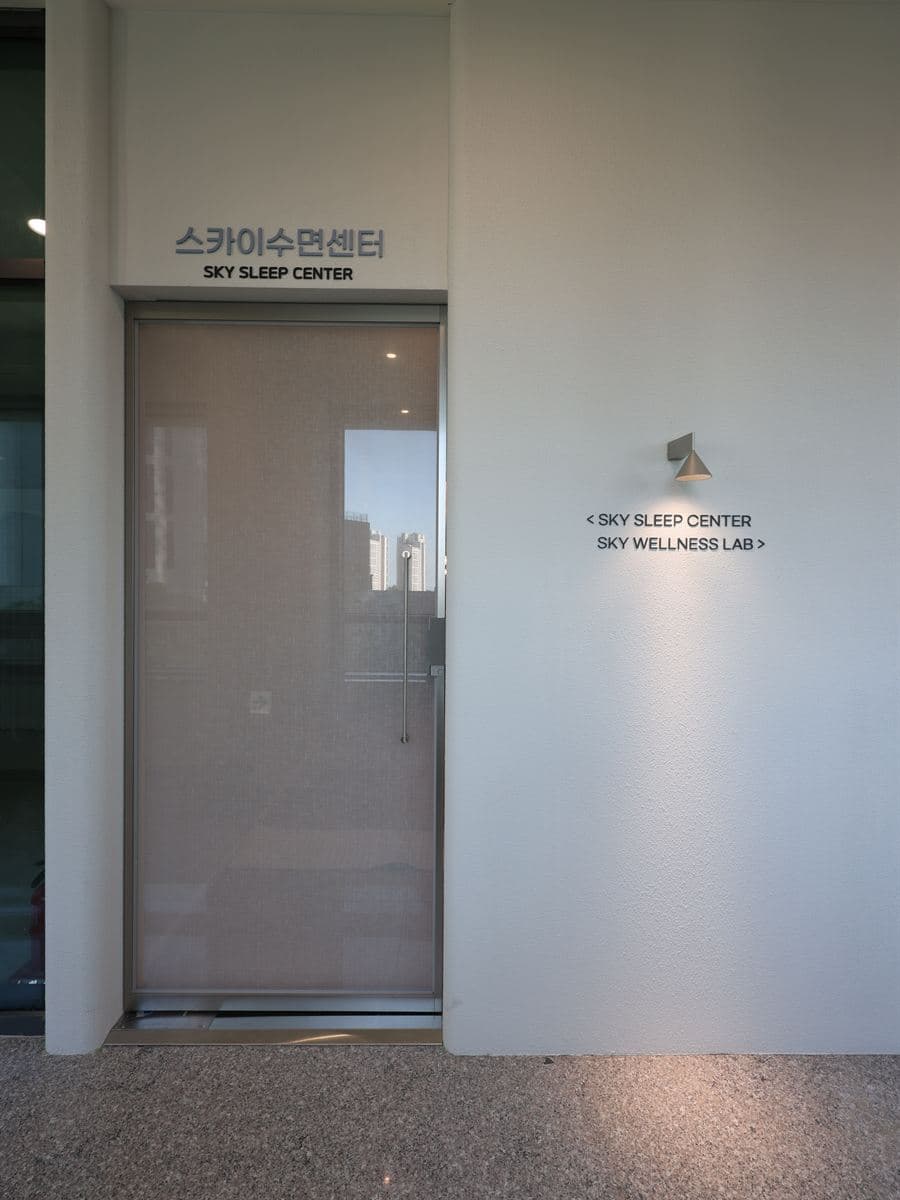
  1. The Sleep Center entrance seen from the building corridor
    The Sleep Center entrance seen from the building corridor
  2. Entrance door with the Sky Sleep Center sign
    Entrance door with the ‘Sky Sleep Center’ sign
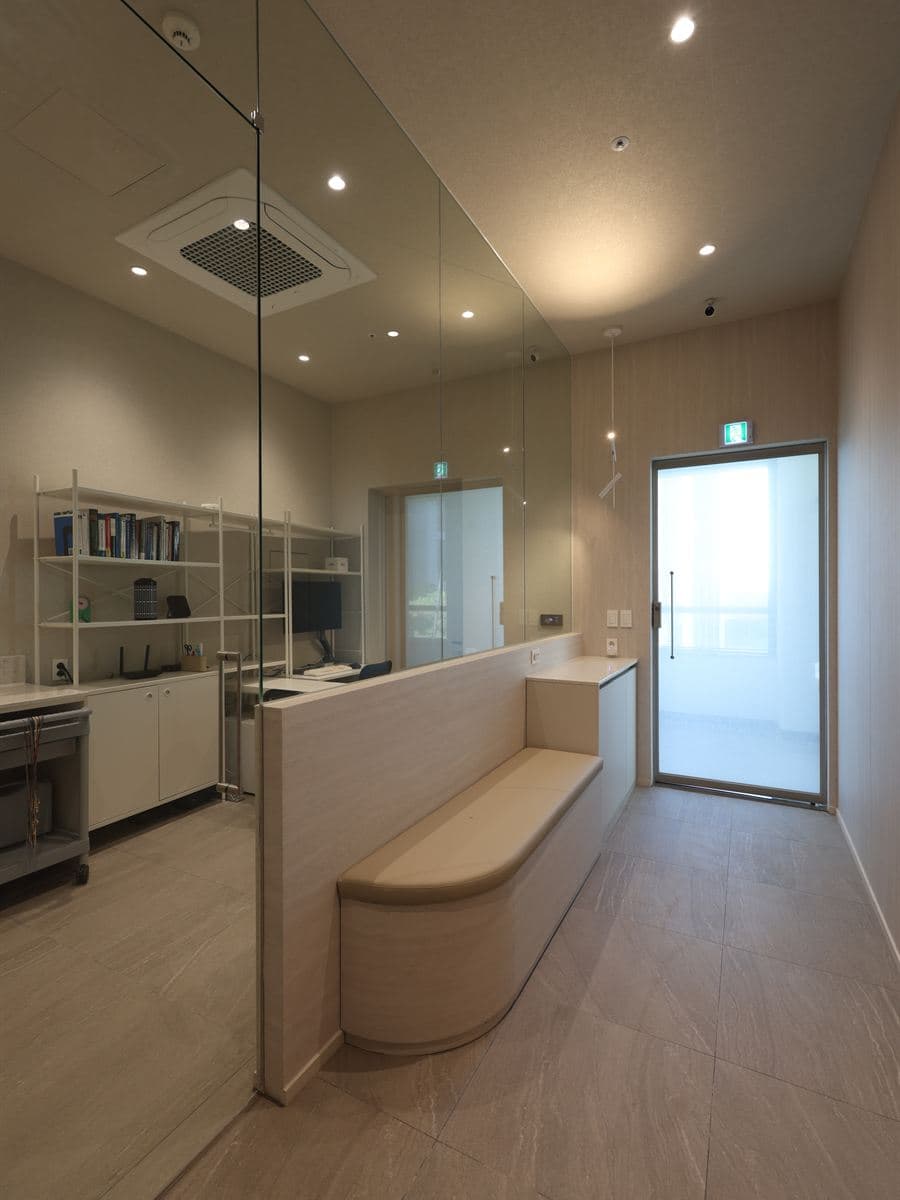
  3. Curved waiting bench just inside the entrance
    Step inside and you will find a waiting bench
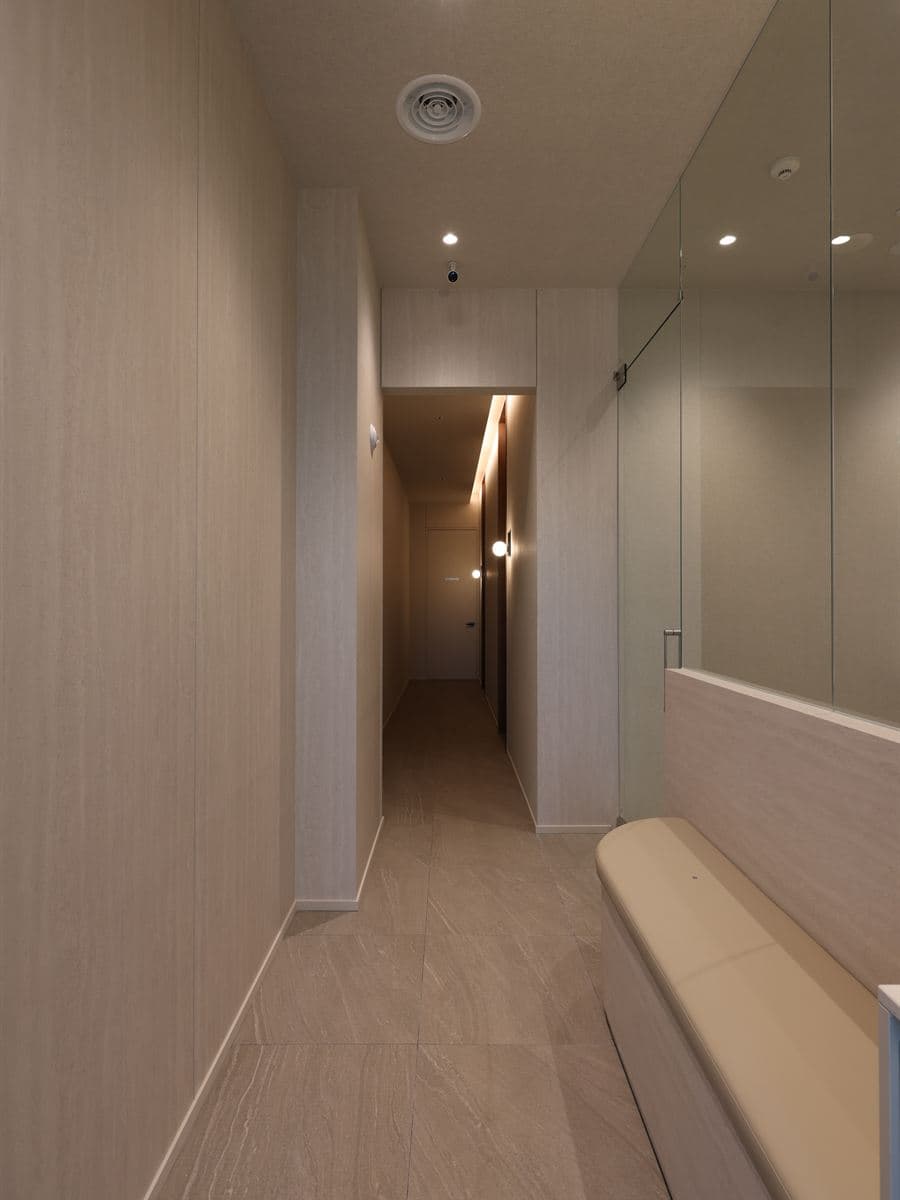
  4. Corridor from the waiting area to the test rooms
    The waiting area leads to the test room corridor
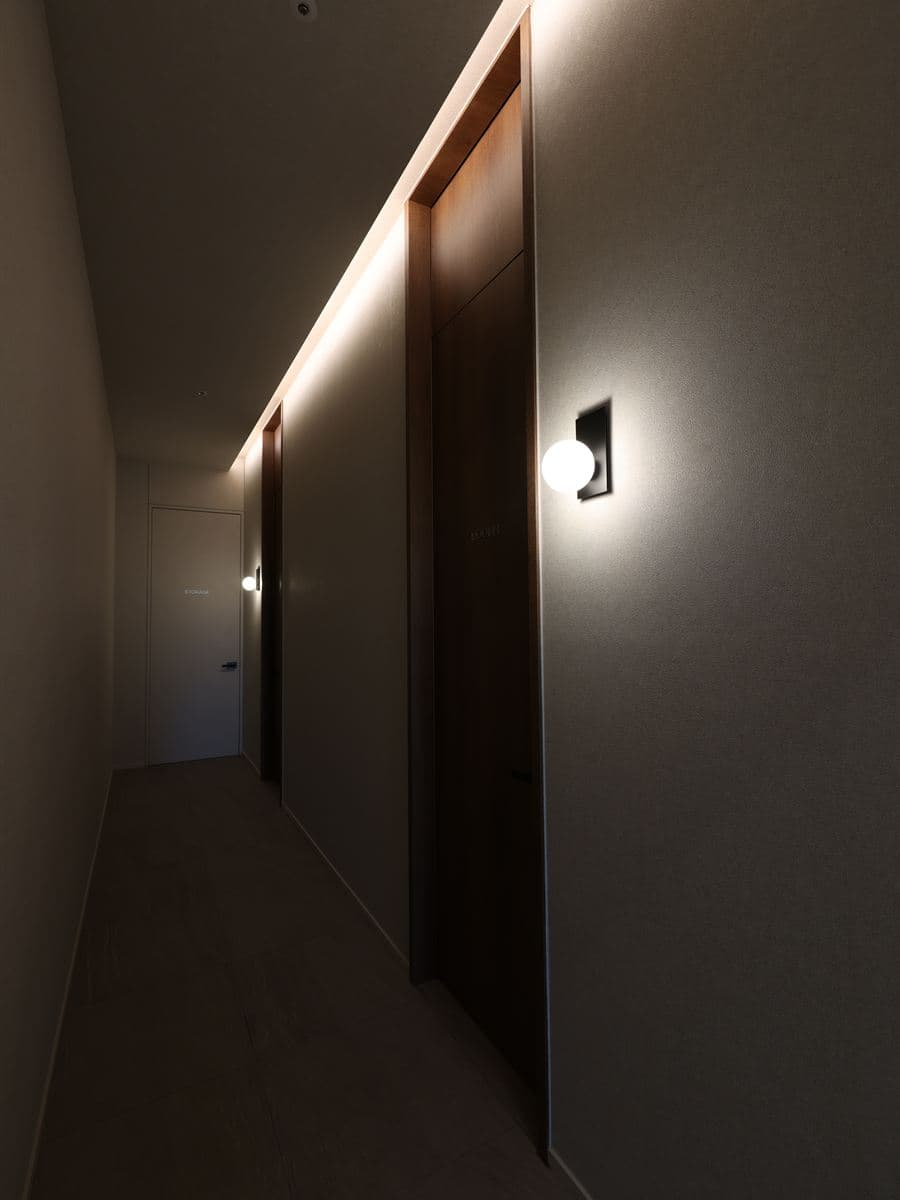
  5. Corridor with lit wall lamps and wooden test room doors
    The test rooms are along a softly lit corridor
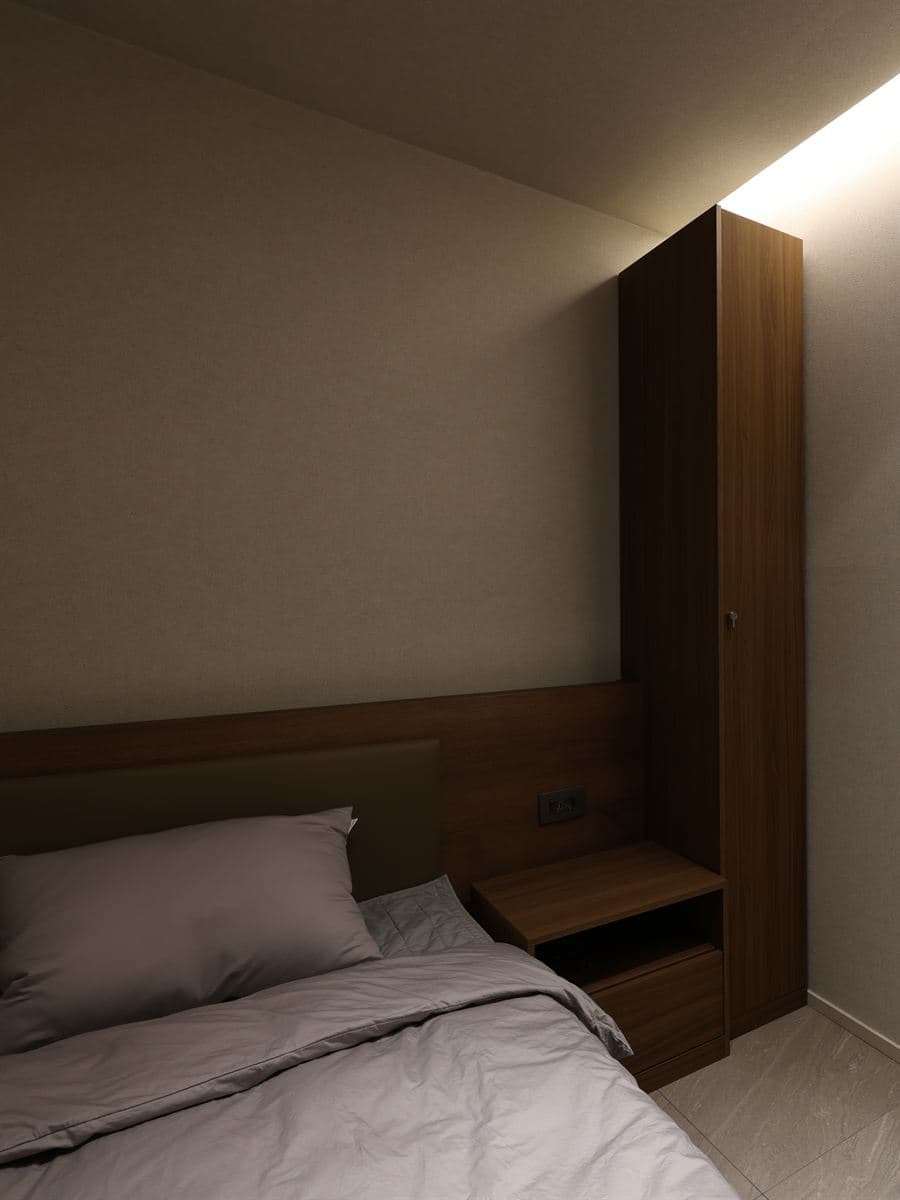
  6. Test room with a single bed, a bedside table and a wardrobe
    The test room has a single bed, a bedside table and a wardrobe
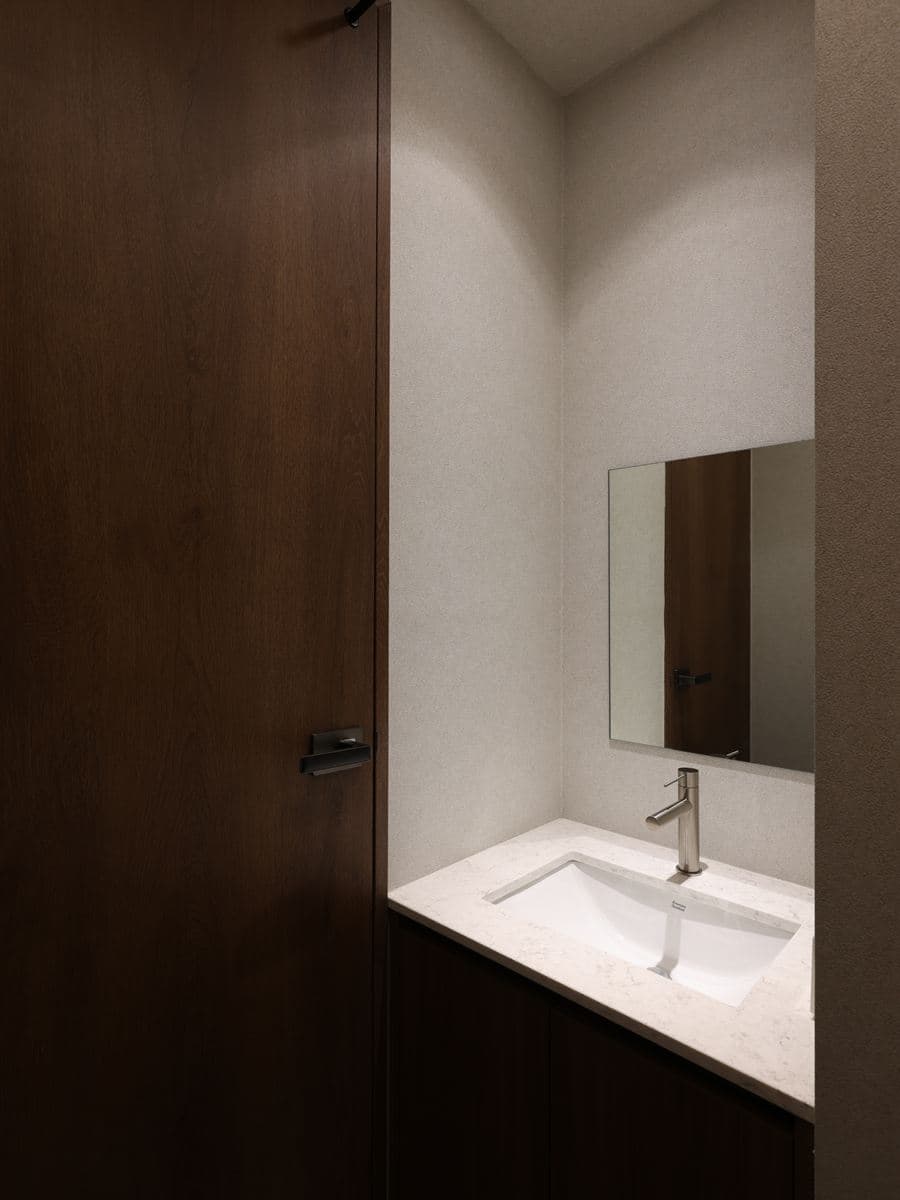
  7. Sink with a marble countertop and a mirror
    There is a separate sink inside the test room
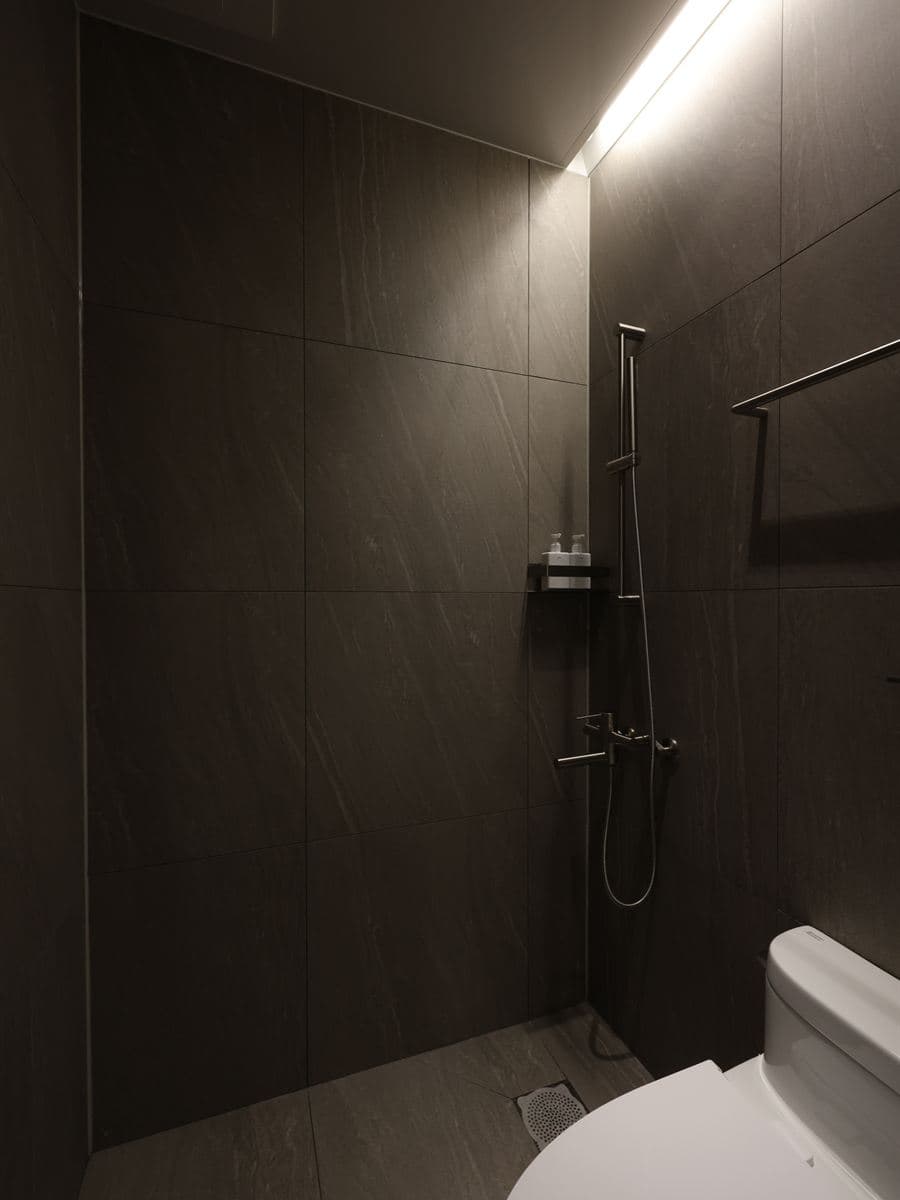
  8. Bathroom with a shower and a bidet toilet
    Combined shower room and toilet

Sleep and snoring FAQ

Common questions about polysomnography, treatment options and insurance coverage.

  • How do I book a sleep study?
    Sleep studies are by appointment. Use the ‘Book a Sleep Study’ button (Naver Booking) on the Sleep Center pages, or call our main number, 032-721-7593.
  • If I snore heavily, do I need to be tested?
    Snoring may simply be a habit, but when it leads to sleep apnea it can affect daily life, for example with daytime fatigue and poor concentration, so checking the cause is recommended. If your family often notices your breathing stop, or you do not feel refreshed after sleeping, we suggest looking into the cause with polysomnography.
  • How is polysomnography done?
    Polysomnography is a test in which you sleep overnight in a test room while various body signals, such as brain waves, breathing, oxygen saturation, heart rate and muscle activity (EMG), are measured. It is non-invasive and takes place while you sleep as usual, so it is not a heavy burden for patients.
  • Is polysomnography covered by National Health Insurance?
    It is covered by National Health Insurance when the coverage criteria are met, such as a symptom assessment and confirmation that the test is needed. We will explain the criteria and your out-of-pocket cost in detail after your consultation, along with the cost if the test is not covered by National Health Insurance.
  • How much does polysomnography cost?
    The cost is different when the test is covered by National Health Insurance, which applies when the coverage criteria are met, and when it is not covered. Our front desk will tell you the exact amount, and we will explain your expected out-of-pocket cost during your consultation.
  • How are sleep apnea and snoring different?
    Snoring is a vibrating sound made when the upper airway narrows during sleep, while sleep apnea is a condition in which breathing stops or weakens for a period of time. Snoring does not always lead to sleep apnea, but the two can occur together, so testing is the accurate way to tell them apart.
  • What treatment options are there?
    Depending on your test results, we guide you through various options such as CPAP, an oral appliance, lifestyle changes and surgical treatment. Which option suits you depends on how severe the apnea is, your body type and your daily routine, so it is a good idea to get advice tailored to your diagnosis.
  • How should I prepare for polysomnography?
    On the day of the test, eat as usual, and it is better to avoid caffeinated drinks from the afternoon on. Bring the personal items you need for 1 night, such as pajamas and toiletries, and tell us during your visit about any medication you take.

Curious about your sleep?

Start with a consultation.

Book a Sleep Study →