


Songdo Sky ENT Sleep Center A sleep study checks the cause
Polysomnography is an overnight test that looks into the cause of sleep problems from snoring, sleep apnea, insomnia or stress. Based on your test results, you and the medical team decide on the direction of treatment.
Sleep problems we check for
Polysomnography is a test that looks for what is disturbing your sleep.
Problems that look alike, such as waking up often during the night, can have different causes. The test itself is not a treatment; it records your body signals while you sleep to look into the cause.
Snoring
Snoring is a vibrating sound made when the airway (upper airway) narrows during sleep. If your family says your snoring is heavy, or loud snoring goes on every night, the cause should be checked.
In the test
We record the snoring sound together with your breathing pattern to see whether sleep apnea is also present.
Sleep apnea
A condition in which breathing stops or becomes much weaker for 10 seconds or more during sleep. It is common for family members to say your breathing seems to stop, or for you to wake up unrefreshed and feel sleepy throughout the day.
In the test
We measure how often your breathing stops or weakens, and how far your oxygen saturation drops when it does.
Insomnia
On many nights it takes more than 30 minutes to fall asleep, or once you wake up during the night it is hard to fall back asleep. Poor sleep can leave you tired during the day and make it hard to concentrate.
In the test
Frequent waking is sometimes caused by snoring or sleep apnea, so if needed, testing checks how long you sleep, how often you wake up and how you breathe.
Stress-related sleep problems
This is when stress makes your sleep lighter or makes you wake up often. When worries continue, it can be hard to fall asleep, and even after sleeping you may not feel you slept deeply.
In the test
We look at the depth of your sleep (sleep stages) and how often you wake up, and check whether any other sleep disorder is also present. The test does not measure stress directly, so we review the results together with what you tell us in your consultation.
What kind of test is polysomnography?
While you sleep overnight in a test room, sensors attached to your body record several signals together.
You come to the test room in the evening, the sensors are attached, and the signals are recorded automatically while you sleep as usual. Everything is non-invasive, and we explain the results at your consultation.
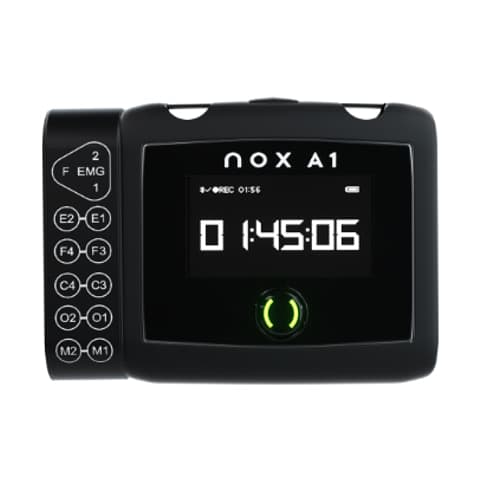
Test device · Nox A1s
The Songdo Sky ENT Sleep Center performs testing with the Nox A1s wireless polysomnography device.
- A small recorder worn on the body records brain waves, breathing, oxygen saturation, electrocardiogram (ECG), electromyogram (EMG) and snoring sounds together.
- Because the recorder is not connected by wires to equipment beside the bed, you can turn over relatively freely while you sleep.
What is measured
Brain waves (EEG)
Measures the stages and depth of sleep
Breathing
Records airflow, breathing effort and any pauses
Oxygen saturation (SpO2)
Continuously measures blood oxygen levels
Electrocardiogram (ECG)
Records your heart rhythm during sleep
Electromyogram (EMG)
Measures movements of the jaw and leg muscles
Electrooculogram (EOG)
Checks REM sleep through eye movements
If sleep apnea is suspected, we also check these
Physical examination
A detailed examination looks at the structure of your nose and throat, and we set the purpose and goals of treatment together.
Blood tests
We check for changes in blood test values that sleep apnea can cause.
CT scan
We look at the inner structures of the nose and throat in 3D to find where the airway narrows.
Questionnaire
We check how you usually sleep and what bothers you, to understand what you would like from your care.
National Health Insurance may apply
Covered by National Health Insurance when the coverage criteria are met. We will explain the criteria and your out-of-pocket cost after your consultation.
If the test is not covered by National Health Insurance, we will also explain the cost at your consultation.
Sleep care in 4 steps Diagnosis → Testing → Consultation → Treatment
We measure the quality of your sleep objectively and guide you on a tailored treatment plan based on the results.
- Step 1
Diagnosis
Questions about your symptoms and sleep habits
- Step 2
Testing
Polysomnography measures body signals during sleep
- Step 3
Consultation
We interpret the test results and explain the cause
- Step 4
Treatment
Guidance on a treatment plan tailored to you
Sleep Center test environment
Testing takes place in a sleep-only space separate from the main clinic. You can see photos of everything from the entrance to the test room in advance.
Tour the Sleep CenterA space just for sleep
A separate space just for sleep studies is set up in Unit 308 on the 3rd floor, apart from the main clinic (2F).
All private rooms
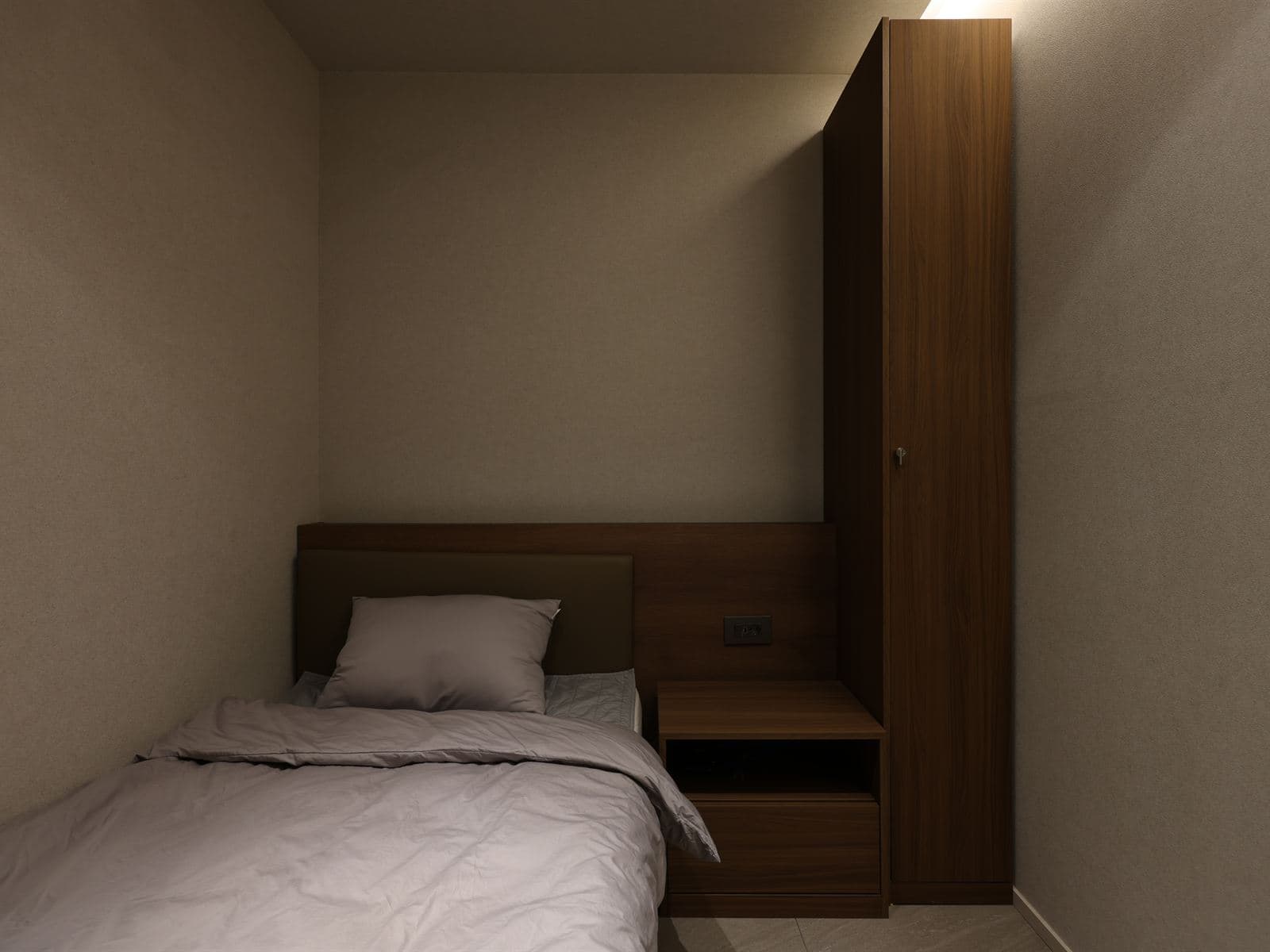
All test rooms are private, single-occupancy rooms.
Hotel-style bedding and atmosphere
We have prepared hotel-style bedding and soft lighting to help you sleep comfortably.
Sink, shower and toilet in every room
Each test room has its own sink and a combined shower room and toilet.
Wireless polysomnography device
Testing uses a wireless recorder worn on the body (Nox A1s), which reduces the discomfort of being tied down by wires.
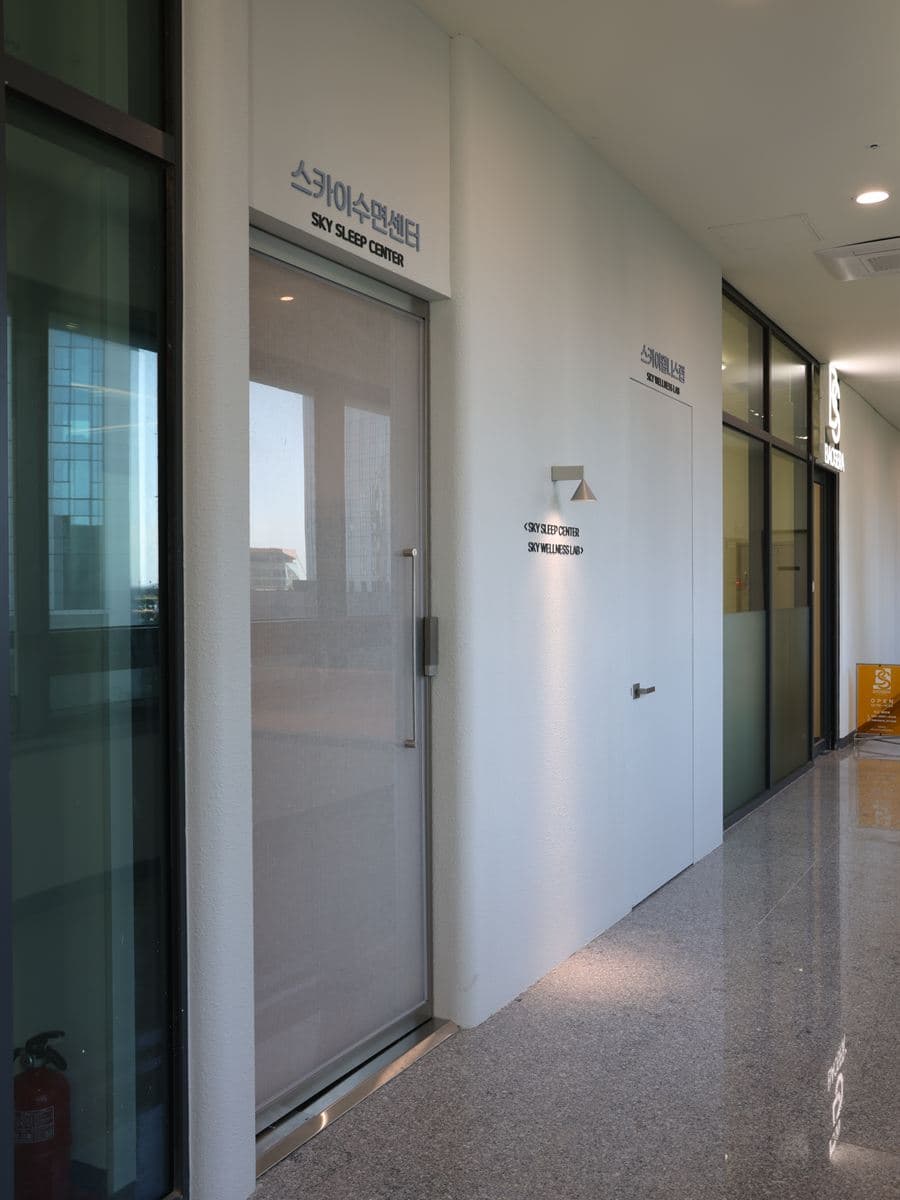
The Sleep Center entrance seen from the building corridor 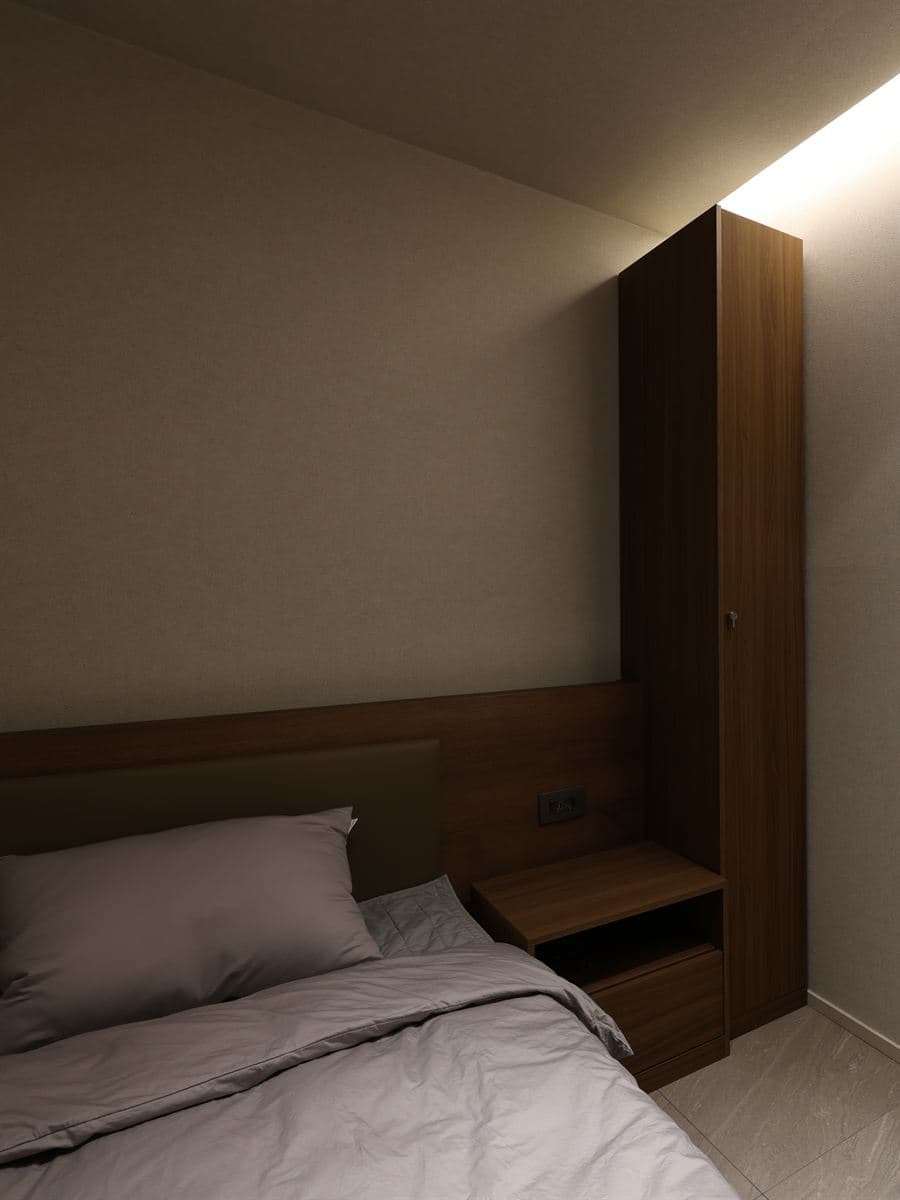
The test room has a single bed, a bedside table and a wardrobe 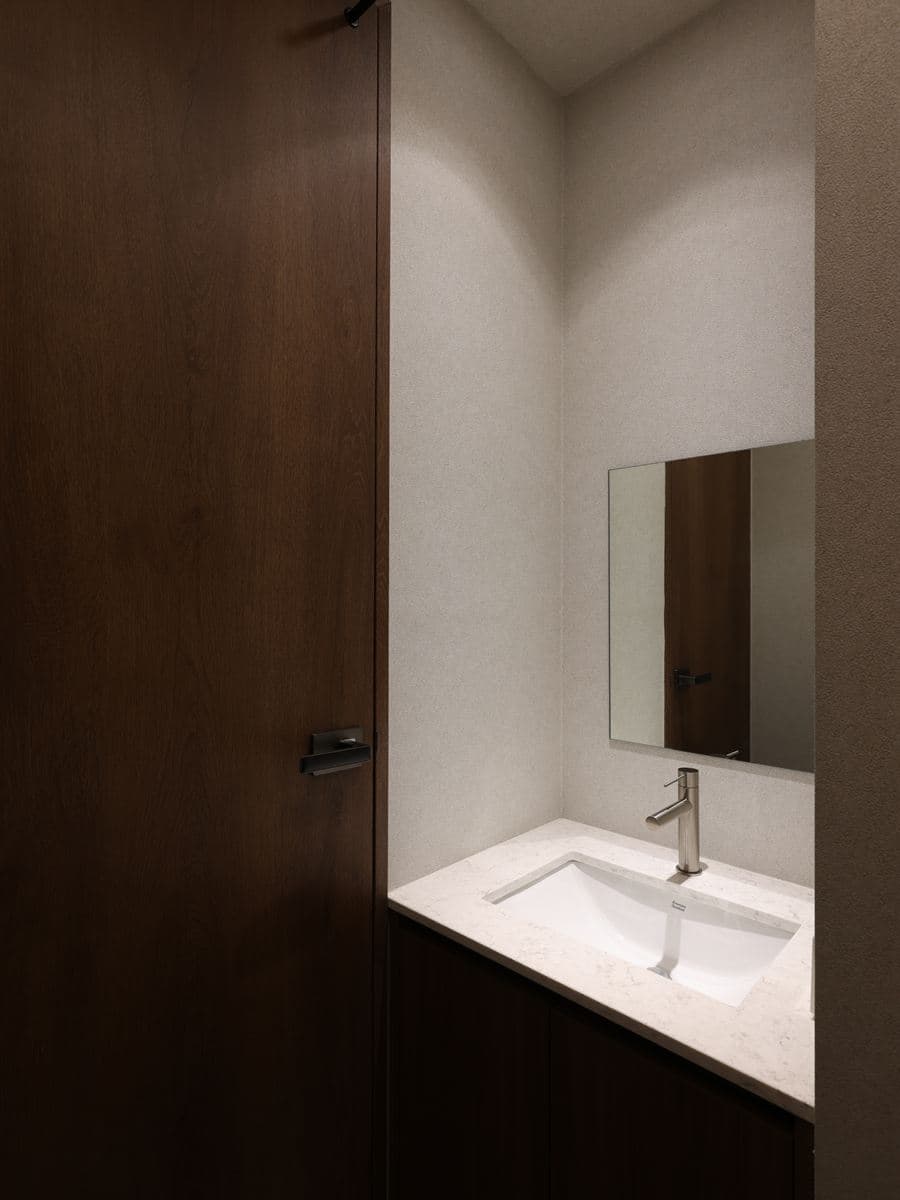
There is a separate sink inside the test room 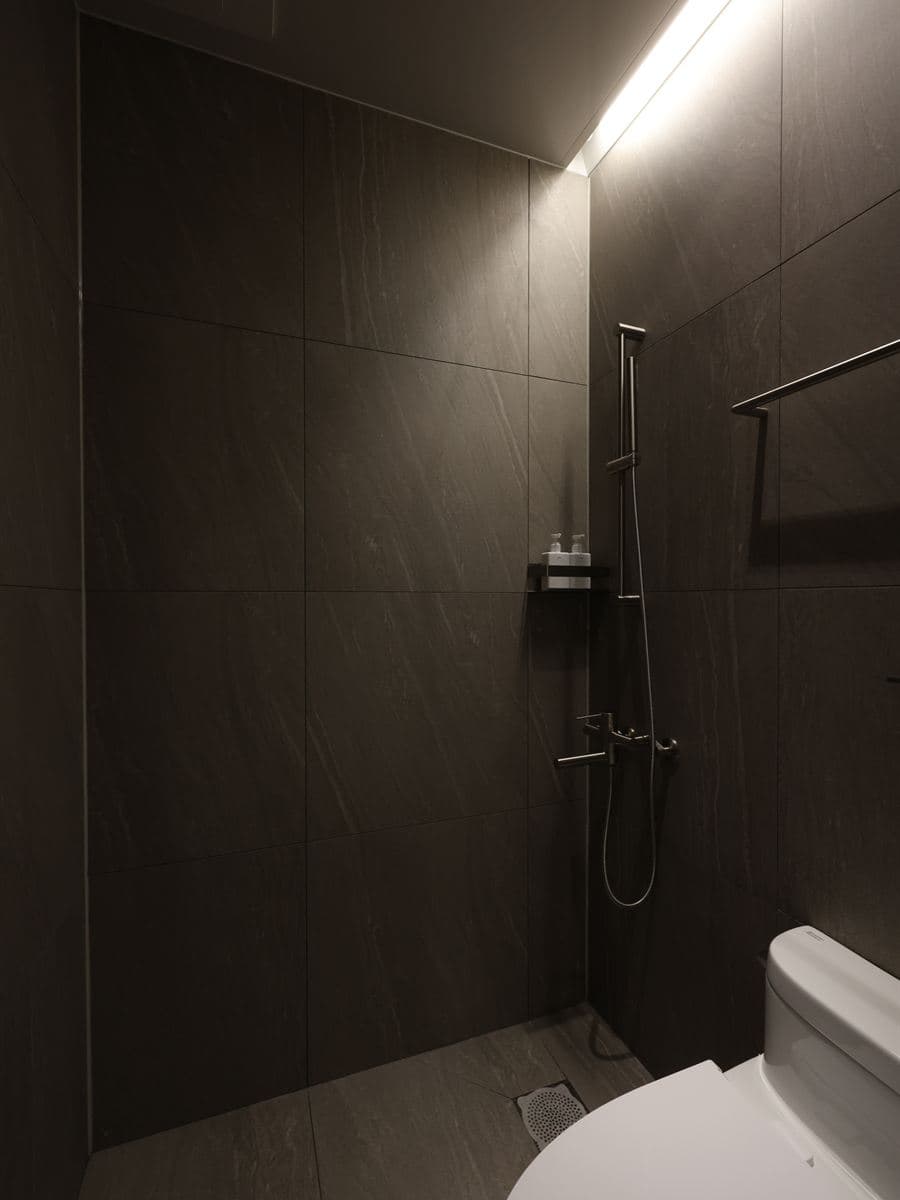
Combined shower room and toilet
Treatment is decided with the medical team after reviewing your test results
Polysomnography FAQ
Common questions about how the test works, National Health Insurance and how to prepare.
How do I book a sleep study?
Sleep studies are by appointment. Use the ‘Book a Sleep Study’ button (Naver Booking) on the Sleep Center pages, or call our main number, 032-721-7593.If I snore heavily, do I need to be tested?
Snoring may simply be a habit, but when it leads to sleep apnea it can affect daily life, for example with daytime fatigue and poor concentration, so checking the cause is recommended. If your family often notices your breathing stop, or you do not feel refreshed after sleeping, we suggest looking into the cause with polysomnography.How is polysomnography done?
Polysomnography is a test in which you sleep overnight in a test room while various body signals, such as brain waves, breathing, oxygen saturation, heart rate and muscle activity (EMG), are measured. It is non-invasive and takes place while you sleep as usual, so it is not a heavy burden for patients.Is polysomnography covered by National Health Insurance?
It is covered by National Health Insurance when the coverage criteria are met, such as a symptom assessment and confirmation that the test is needed. We will explain the criteria and your out-of-pocket cost in detail after your consultation, along with the cost if the test is not covered by National Health Insurance.How much does polysomnography cost?
The cost is different when the test is covered by National Health Insurance, which applies when the coverage criteria are met, and when it is not covered. Our front desk will tell you the exact amount, and we will explain your expected out-of-pocket cost during your consultation.How are sleep apnea and snoring different?
Snoring is a vibrating sound made when the upper airway narrows during sleep, while sleep apnea is a condition in which breathing stops or weakens for a period of time. Snoring does not always lead to sleep apnea, but the two can occur together, so testing is the accurate way to tell them apart.What treatment options are there?
Depending on your test results, we guide you through various options such as CPAP, an oral appliance, lifestyle changes and surgical treatment. Which option suits you depends on how severe the apnea is, your body type and your daily routine, so it is a good idea to get advice tailored to your diagnosis.How should I prepare for polysomnography?
On the day of the test, eat as usual, and it is better to avoid caffeinated drinks from the afternoon on. Bring the personal items you need for 1 night, such as pajamas and toiletries, and tell us during your visit about any medication you take.
If you are considering polysomnography, check with a consultation first.
At your consultation, we will let you know whether the test is possible and when it can be scheduled.