




Has your hearing suddenly dropped, or do you feel dizzy?
We treat sudden hearing loss, tinnitus, dizziness and chronic otitis externa.

Sudden sensorineural hearing loss
Do you have any of these symptoms?
Sudden loss You suddenly cannot hear well in one ear
Ear fullness Your ear feels blocked and sounds seem far away
On waking You wake up and the hearing in one ear is not as usual
Tinnitus, dizziness You also have tinnitus or dizziness
If even one of these applies to you, consider seeing a doctor.
Do not wait for it to recover on its own. Try to start treatment within 2 weeks.
Tests and treatment How we provide care
- Consultation
Treatment decided together
The treatment plan is decided together with the medical team, based on your test results and overall health.
- Treatment
Anti-inflammatory treatment
Treatment starts with high-dose steroids, which are then gradually reduced.
- Treatment
Anti-inflammatory treatment through the eardrum
If needed, steroid injections into the middle ear through the eardrum are given as well.
- Consultation
About hyperbaric oxygen therapy
Hyperbaric oxygen therapy is one of the treatment options; we will let you know during your visit whether it is suitable for you.
Our equipment
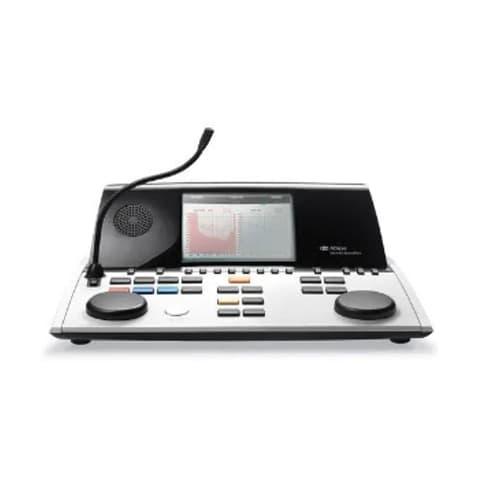
Pure-tone and speech audiometry
Hearing test device AD629
Interacoustics
Assesses your hearing by checking your responses to sounds and speech at various pitches and volumes. The results are judged together with the examination findings.
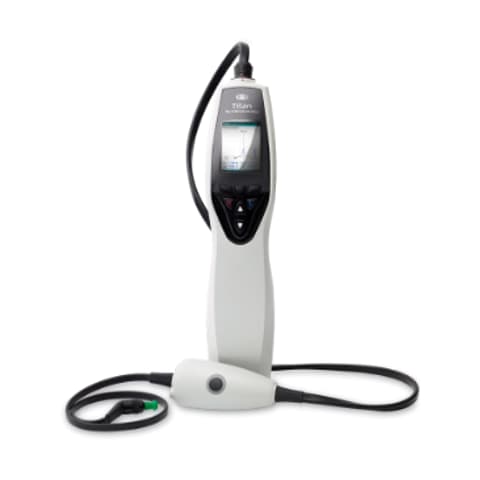
Otoacoustic emissions test (OAE)
Hearing test device Titan
A test that measures how the cochlea responds to sound, used as a reference in assessing inner ear function.
Care and outlook
The spontaneous recovery rate is reported to be about 47–68%. Of every 3 people, 1 regains normal hearing, 1 is left with hearing loss of about 40–60 dB, and 1 is left with permanent hearing loss; outcomes vary greatly from person to person.
Tinnitus
Do you have any of these symptoms?
Ringing You hear sound in your ear in quiet places
Clearer at night, morning It is more noticeable before you fall asleep or in the morning
Constant sound A beeping, buzzing or hissing sound goes on and on
Stuffy ear Your ear feels stuffy or you cannot hear well
If even one of these applies to you, consider seeing a doctor.
Tests and treatment How we provide care
- Test
Basic tests
The basic tests are a hearing test, an eardrum test and an examination of the ear with an otoscope.
- Test
Tinnitus and vestibular tests
If needed, tinnitus matching tests and vestibular function tests are added.
- Treatment
Treatment matched to the cause
Depending on the cause, we recommend medication, lifestyle measures or sound therapy.
Our equipment
Pure-tone and speech audiometry
Hearing test device AD629
Interacoustics
Assesses your hearing by checking your responses to sounds and speech at various pitches and volumes. The results are judged together with the examination findings.
Otoacoustic emissions test (OAE)
Hearing test device Titan
A test that measures how the cochlea responds to sound, used as a reference in assessing inner ear function.
Care and outlook
Tinnitus can be a sign linked to your hearing, your inner ear or your overall health.
The first step is to identify the cause accurately.
Dizziness
Do you have any of these symptoms?
Spinning It feels as if everything around you is spinning
Changing position You feel dizzy when you change position, such as getting up after lying down
With ear symptoms You feel dizzy along with ear fullness or hearing loss
Nausea You also have nausea or vomiting
If even one of these applies to you, consider seeing a doctor.
Tests and treatment How we provide care
- Test
Nystagmus and vestibular tests
Nystagmus tests and vestibular function tests are used to look for causes in the inner ear.
- Test
Hearing test
A hearing test also checks any ear symptoms you have along with the dizziness.
- Consultation
Neurology consultation
If a neurological cause is suspected, we will arrange a consultation with neurology.
Our equipment
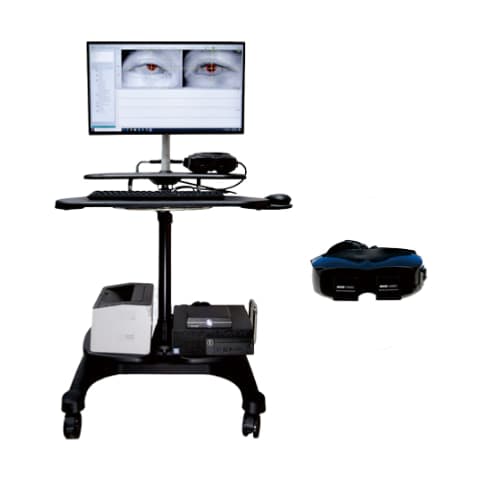
Nystagmus and vestibular function tests
Vestibular test device YDV-1000
A goggle camera observes and records eye movements and nystagmus to help assess vestibular function.
Care and outlook
Rather than putting it down to tiredness, it is better to find out the cause.
For dizziness that comes with ear symptoms, we first look for ENT causes.
Chronic otitis externa
Do you have any of these symptoms?
Water stays in Water does not drain easily from your ear
Itching, discharge The inside of your ear itches and discharge keeps coming back
After cotton swabs It hurts or itches more after using a cotton swab
After swimming, showers It gets worse after swimming or showering
If even one of these applies to you, consider seeing a doctor.
Tests and treatment How we provide care
- Test
Looking inside the ear
We look inside your ear to check the discharge and inflammation.
- Treatment
Ear cleaning and medication
In the exam room, we clean the inside of your ear and treat it with medication.
Care and outlook
It can get worse if the inside of your ear often gets wet or if you dig deep with a cotton swab.
If water does not drain, tilt that ear down and move your head slowly.
If it is still the same after 24 hours, please see a doctor.
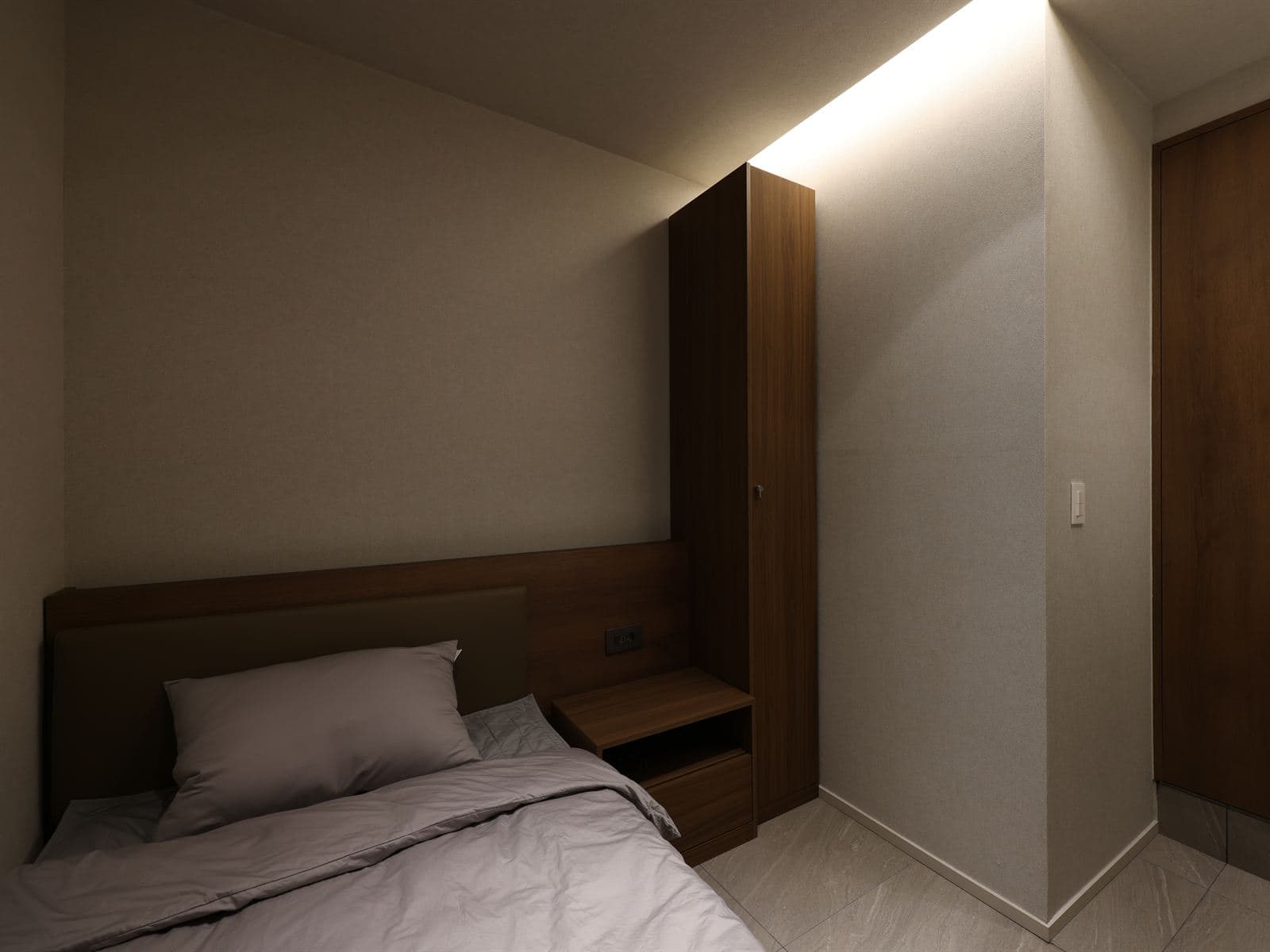
Related care Sleep Center
Snoring · Apnea during sleep
Detailed ear care FAQ
Common questions about sudden hearing loss, tinnitus, dizziness and chronic otitis externa.
How soon should sudden sensorineural hearing loss be treated?
For sudden sensorineural hearing loss, starting treatment as soon as possible after it begins, generally within 2 weeks, helps the outlook. How well hearing recovers can depend on when treatment starts, so please see a doctor promptly if you suddenly cannot hear in one ear or a blocked feeling continues.Can sudden sensorineural hearing loss recover on its own?
Studies differ, but the spontaneous recovery rate is reported to be about 47–68%. However, outcomes vary greatly from person to person: of every 3 people, 1 regains normal hearing, 1 is left with hearing loss of about 40–60 dB, and 1 is left with permanent hearing loss. Early treatment can affect the outlook, so it is safer to see a doctor than to wait for it to recover on its own.What tests are done for tinnitus?
To find the cause of tinnitus, we start with basic tests such as a hearing test, an eardrum test and an examination with an otoscope, and recommend further tests if needed. Tinnitus is not just noise; it can be a sign linked to your hearing, inner ear or overall health, so the cause needs to be identified accurately.Is dizziness related to ENT?
Much dizziness comes from problems in the inner ear (the vestibular system), so ENT care is often needed. For spinning dizziness (vertigo), dizziness when you change position and dizziness that comes with ear symptoms, we first look for ENT causes. If a neurological cause is suspected, we will arrange a consultation with neurology.How is chronic otitis externa treated?
If water does not drain easily from your ear, or itching and discharge keep coming back, we combine cleaning of the ear canal with medication. Cleaning hard with a cotton swab can irritate the ear and make symptoms worse, so it is better to receive proper care in the exam room.What does a blocked feeling in the ear mean?
A blocked ear with sounds seeming far away can have various causes, such as Eustachian tube dysfunction, otitis media or sudden sensorineural hearing loss. If it appears temporarily after a flight, a fast elevator ride or a cold, it may get better, but if it continues or comes with reduced hearing, you should see a doctor.How is a hearing test done?
The basic test is pure-tone audiometry: in a soundproof room, you hear sounds at different frequencies through headphones and give a signal when you hear them. If needed, speech audiometry, tympanometry and other tests may be added, and all of them are non-invasive.
Ear, nose and throat health info (in Korean)
All health articles →

If your symptoms started suddenly, have them checked by a doctor first.
Check our hours and directions, then give us a call.